Updates
ADAPT is now available on Vecura
This update enables researchers and immunotherapy developers to design custom T cell receptors and antibodies through a guided workflow inside Vecura, without setting up complex computational infrastructure.
Updates
Perspectives and deep dives on the models powering AI for life science discovery.

Updates
This update enables researchers and immunotherapy developers to design custom T cell receptors and antibodies through a guided workflow inside Vecura, without setting up complex computational infrastructure.

Updates
This update empowers protein engineers to design novel, catalytically active enzymes with preserved functional motifs through an intuitive workflow on Vecura, bypassing the need for complex local infrastructure.

Updates
This integration allows drug discovery researchers to assess hERG inhibition liability for small molecules directly within Vecura, utilizing a high-performance structure-based AI pipeline without the need for manual setup or complex infrastructure.

Updates
This update enables structural biologists and protein engineers to isolate stable, experimentally tractable globular domains directly from AlphaFold structures through a streamlined workflow on Vecura, eliminating the need for manual curation or complex local installations.

Updates
This update enables medicinal chemists and structural biologists to generate novel, 3D drug-like ligand candidates directly within their target binding pockets, accessible via a streamlined workflow on Vecura without the need for complex local infrastructure.

Updates
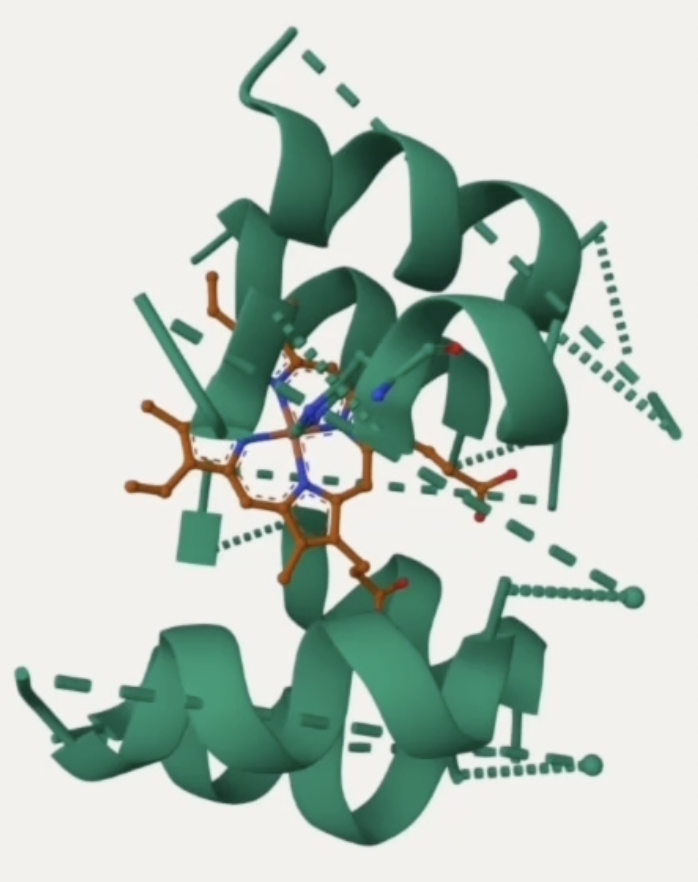
This update enables structural biologists and protein engineers to accurately predict metal-ion and water binding sites through a simplified, guided workflow on Vecura, eliminating the need for complex local infrastructure or GPU setup.

Updates
This update enables drug discovery researchers and computational chemists to predict protein–ligand binding affinity directly from sequence and molecular structure through a guided workflow inside Vecura, without setting up GPU clusters or complex technical infrastructure.

Updates
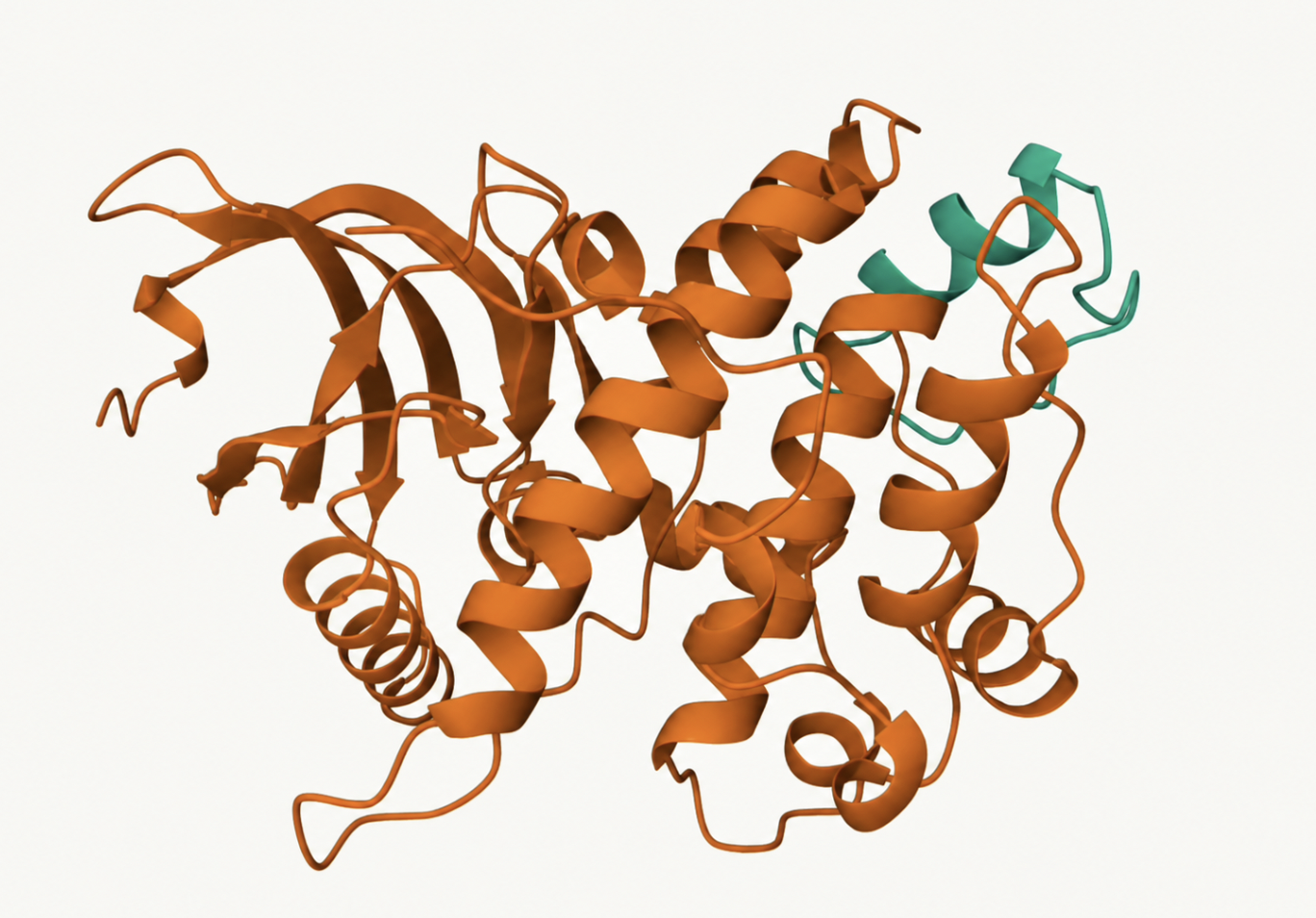
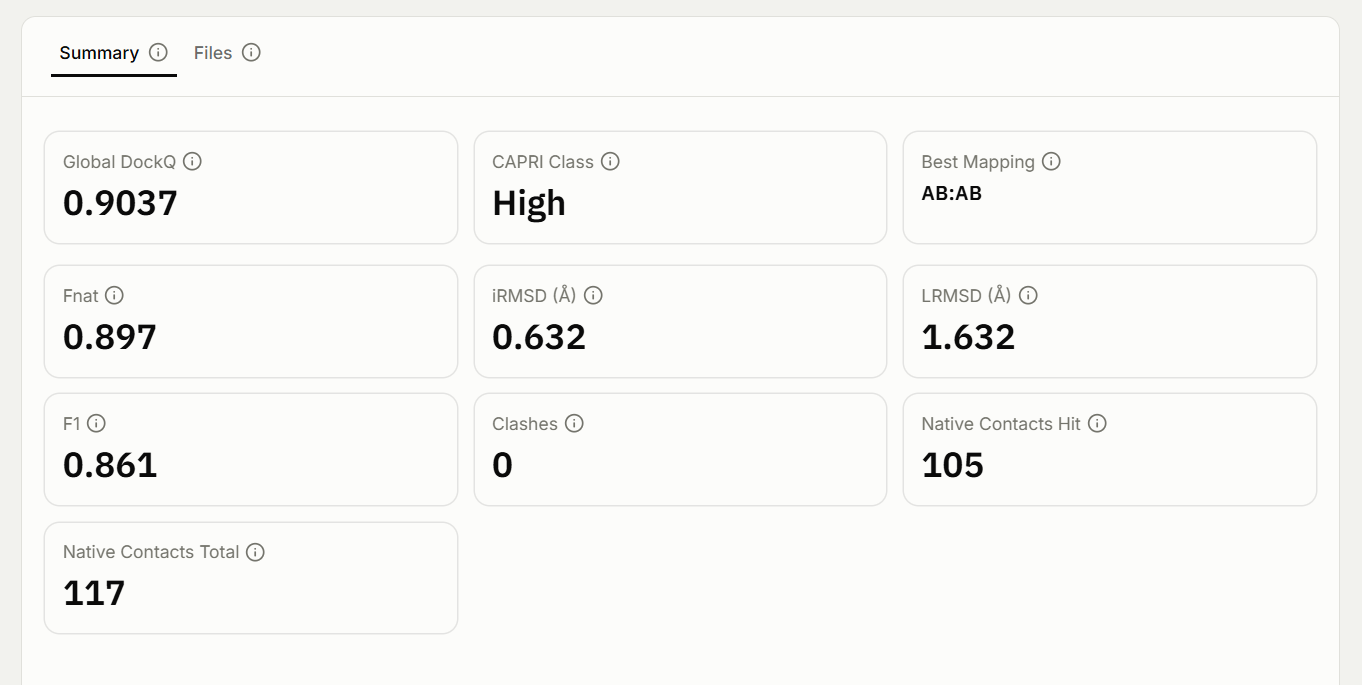
This update enables structural biologists, antibody engineers, and drug discovery researchers to predict protein-protein docking poses from monomer structures through a guided workflow inside Vecura, without setting up complex GPU infrastructure or computing multiple sequence alignments.

Updates
This update enables structural biologists, computational drug designers, and biotech researchers to predict how two protein structures dock into a complex—complete with residue-level flexibility and per-residue confidence scores—through a guided workflow inside Vecura, without setting up complex GPU infrastructure or multiple-sequence alignment pipelines.

Updates
This update enables structural biologists and drug discovery researchers to predict cyclic peptide structures and their protein complexes through a guided workflow inside Vecura, eliminating the need to manage complex, resource-intensive local infrastructure.

Updates
This update enables biologists, protein engineers, and drug discovery researchers to generate 3D protein structures directly from primary amino acid sequences through a streamlined workflow inside Vecura, eliminating the need to set up complex MSA pipelines or manage structural templates.

Updates
This update enables computational biologists and drug discovery researchers to predict protein-ligand binding poses and affinity directly through a guided workflow on Vecura, eliminating the need to manage complex, resource-intensive infrastructure.