HERGAI: Structure-Based hERG Inhibition Prediction Now Available on Vecura
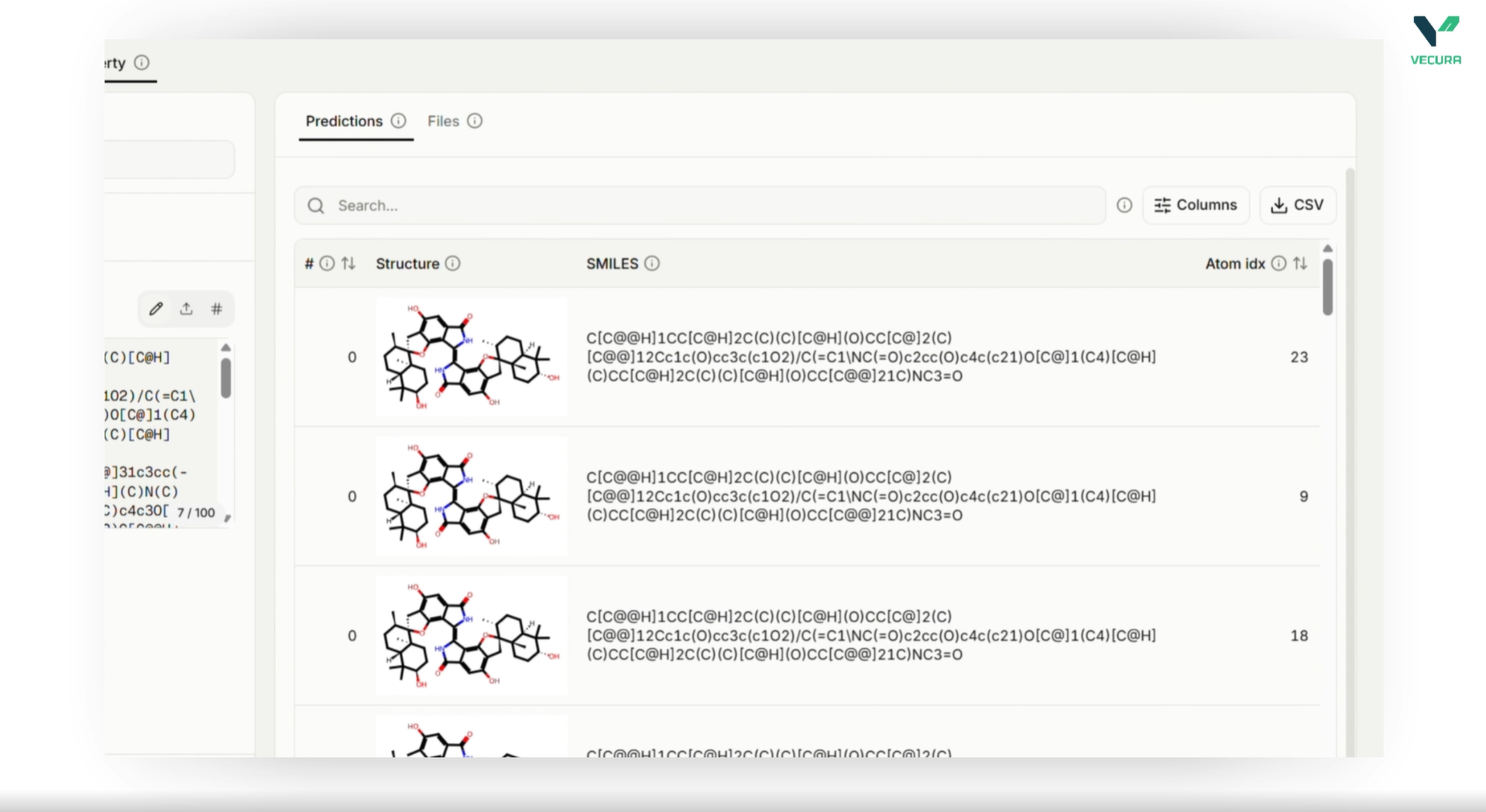
This integration allows drug discovery researchers to assess hERG inhibition liability for small molecules directly within Vecura, utilizing a high-performance structure-based AI pipeline without the need for manual setup or complex infrastructure.
What is HERGAI?
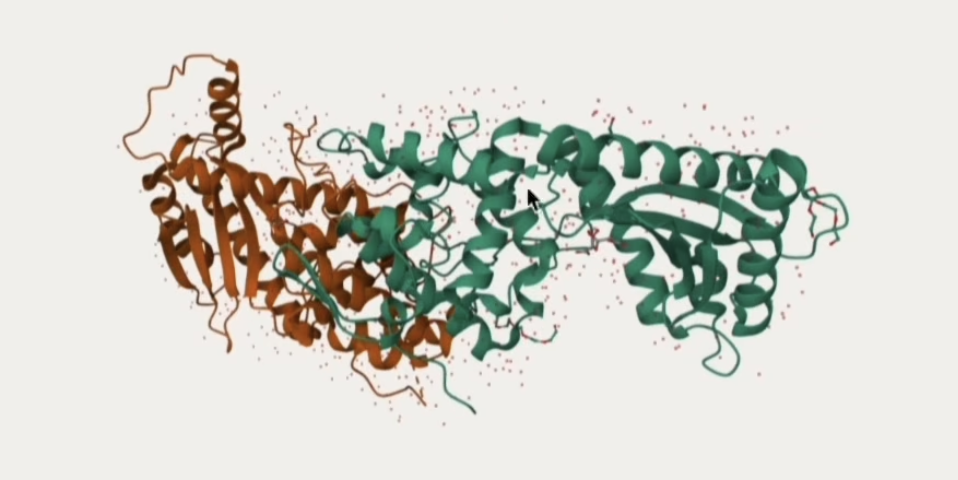
HERGAI is a specialized, structure-based AI classifier designed to predict the hERG potassium-channel inhibition liability of small molecules. By utilizing a fixed hERG receptor structure (7CN1) and AutoDock Vina, the model docks ligands and generates Protein-Ligand Extended Connectivity (PLEC) fingerprints, which are processed by a 4-model stacking ensemble. It helps users quickly assess whether a drug candidate poses a risk of cardiotoxicity. It is especially useful for drug discovery teams conducting early-stage lead optimization or pre-clinical ADMET profiling.
What can users do with HERGAI on Vecura?
With HERGAI on Vecura, users can:
-
Predict hERG inhibition probability for a list of SMILES strings.
-
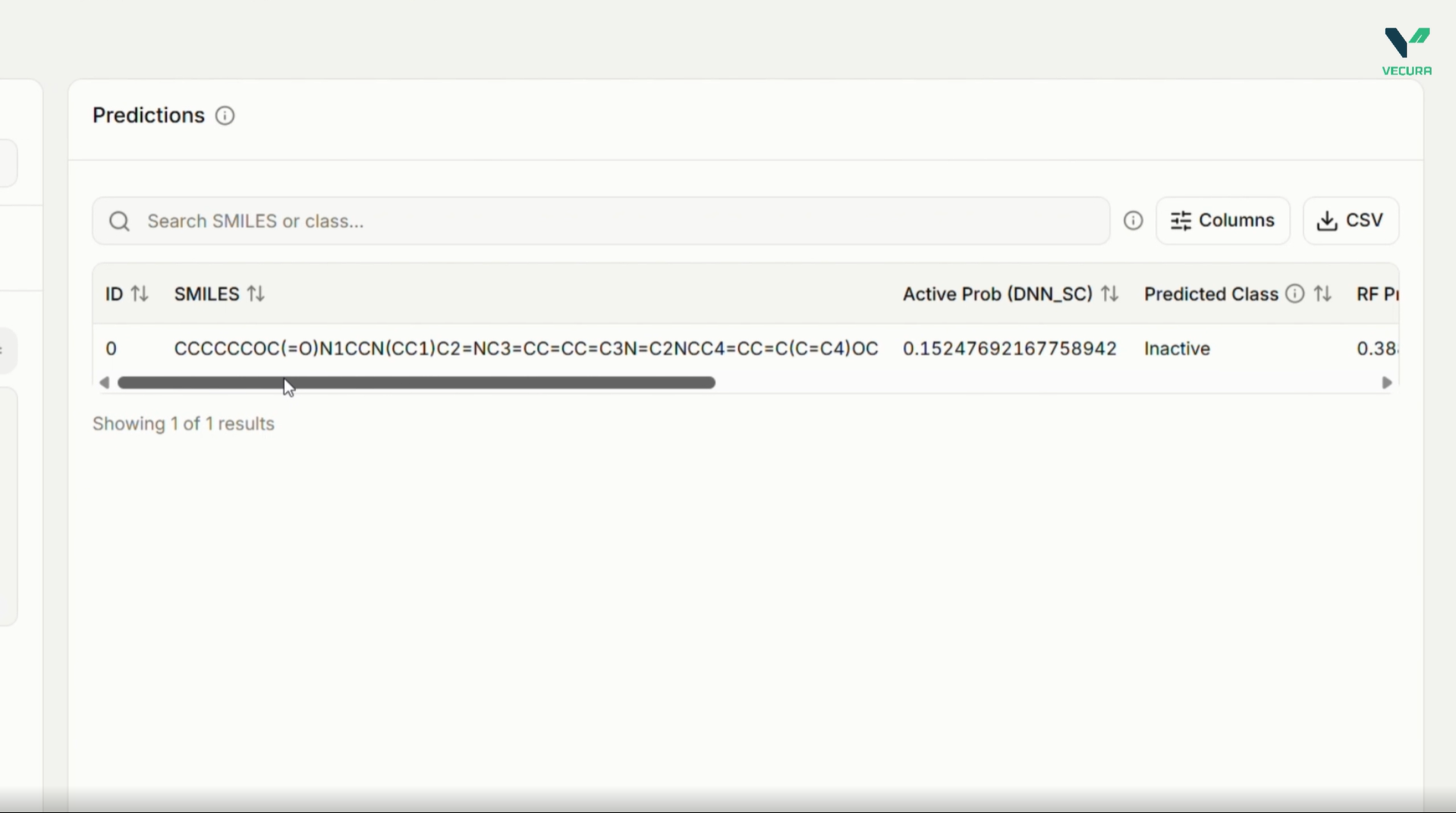
Obtain a clear binary "Active" or "Inactive" cardiotoxicity label.
-
Streamline the ADMET profiling process by bypassing complex, manual docking workflows.
-
Leverage a benchmarked, high-performance structure-based method published in the Journal of Cheminformatics.
What the output means
The output provides a comprehensive prediction report, including the headline dnn_sc_prob (the final probability of being an hERG inhibitor), binary classification results based on a calibrated threshold, and individual probabilities from base classifiers (Random Forest, XGBoost, and a Keras DNN).
This output should be used to support scientific decision-making. It does not replace experimental validation.
Why this matters
The human Ether-a-go-go-Related Gene (hERG) potassium channel is a critical anti-target in drug discovery, as its blockade is a primary cause of drug-induced QT prolongation and lethal arrhythmias. Consequently, regulatory bodies require thorough screening of drug candidates for this liability.
Traditionally, structure-based docking approaches can be computationally intensive and complex to standardize. HERGAI provides a robust, pre-configured pipeline that simplifies this assessment, enabling researchers to identify potential cardiotoxicity risks earlier in the design cycle and prioritize safer chemical series for further development.
-
Developed by: vktrannguyen
-
Source: Official GitHub Repository
-
Reference: Journal of Cheminformatics (2025)
Try hERGAI on Vecura.
Open the model workspace and start evaluating it with your own inputs.