Vecura
定价解决方案
资源
联系我们
Vecura

产品

  • 解决方案
  • 定价

公司

  • 联系我们
  • 学术研究计划

资源

  • 更新
  • 新闻
  • 洞察
  • 使用案例
  • AI4Life Bootcamp
  • 社区

法律条款

  • 隐私政策
  • 服务条款
  • 引用指南
  • 信任中心

© 2026 NYB AI 保留所有权利。

所有系统运行正常
Vecura
定价解决方案
资源
联系我们

洞察

来自 Vecura 团队的视角

关于 AI 驱动生命科学探索的研究分析、行业视角与深度解析

精选

Vecura Biotech Insiders #07: Beta-Lactam Design Against Amoxicillin: The Highest-Scoring Edit Was the One That Breaks the Drug

In this seventh edition of Vecura Biotech Insiders, we highlight a workflow shared with the Vecura team by Azlan Firdaus Iskandar: a constrained generative design campaign against amoxicillin's beta-lactam core, and what it took to stop the highest-scoring edit from being the one that breaks the drug.

Aug 28, 2026阅读精选文章

洞察

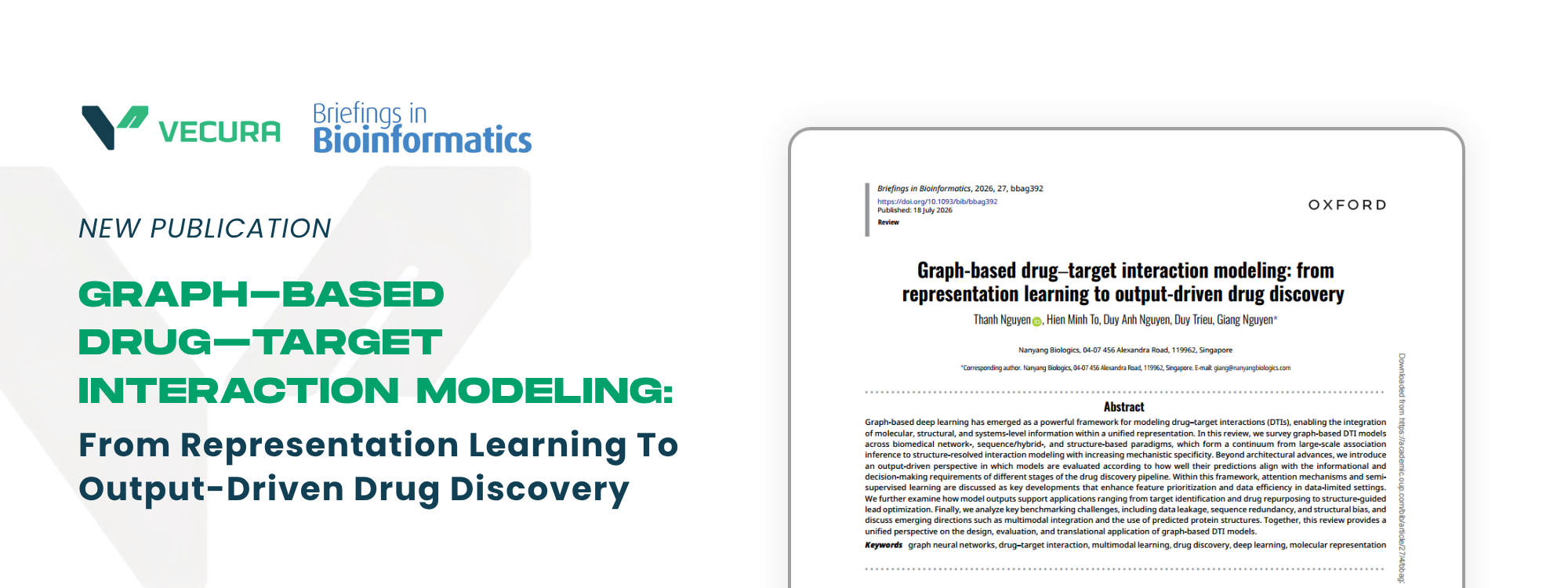
From Prediction to Decision: Choosing Graph-Based AI Models for Drug-Target Interaction Research

How an output-driven perspective can help researchers select graph-based AI models for drug-target interaction research, with a closer look at DTIGN and LigoSPACE.

Dr. Thanh Nguyen, Duy Anh Nguyen +1·Jul 22, 2026

全部内容

洞察

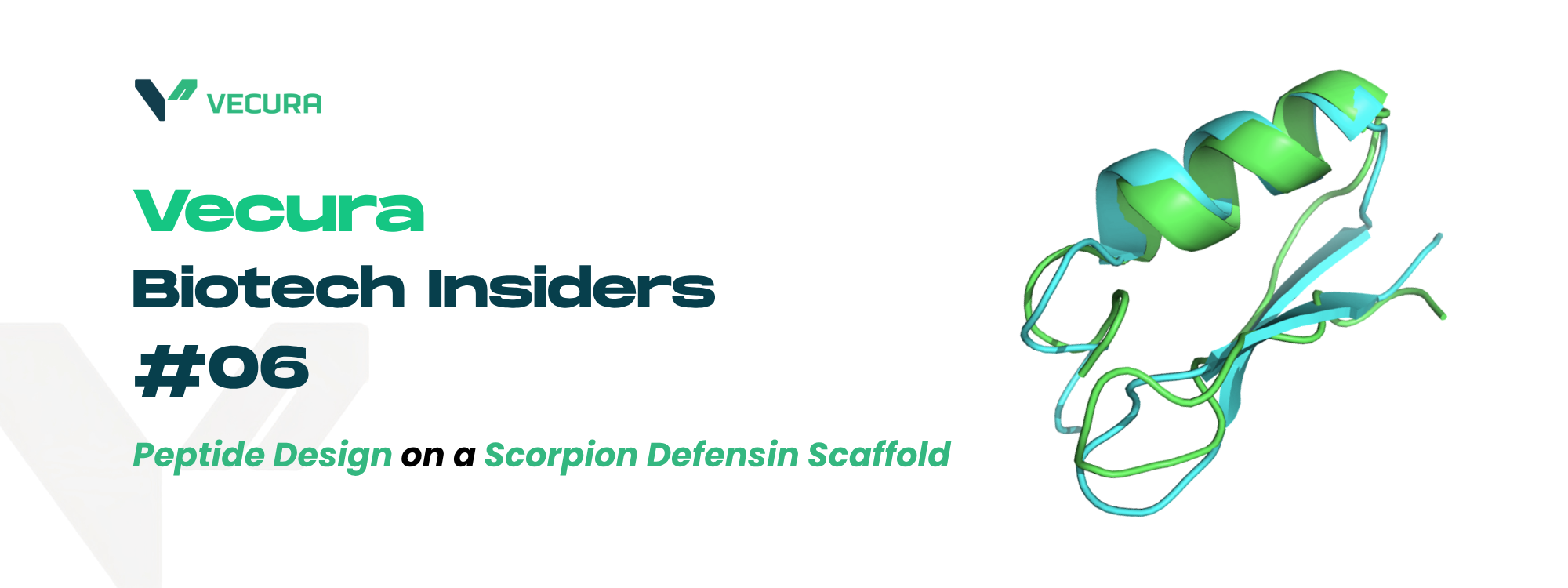
Vecura Biotech Insiders #06: Peptide Design on a Scorpion Defensin Scaffold

In this sixth edition of Vecura Biotech Insiders, we highlight a workflow shared with the Vecura team by Xiao Jing Chen: a scaffold-based peptide design campaign against a scorpion defensin, and what happened when the folded structures and the sequences behind them were finally read side by side.

Aug 20, 2026

洞察

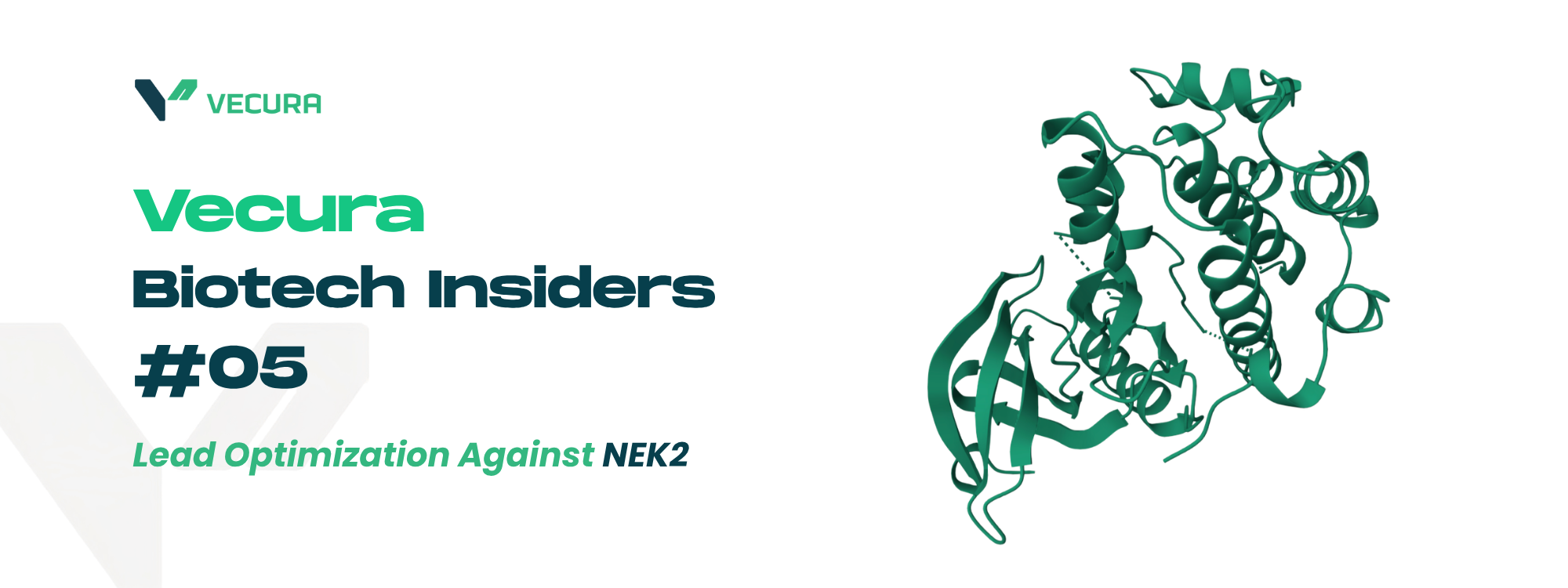
Vecura Biotech Insiders #05: Lead Optimization Against NEK2

A User-Shared Workflow from the Vecura Community Lead Optimization Against NEK2: What Three Generative Rounds Cost, and What They Bought

Aug 14, 2026
上一页12下一页
Vecura

产品

  • 解决方案
  • 定价

公司

  • 联系我们
  • 学术研究计划

资源

  • 更新
  • 新闻
  • 洞察
  • 使用案例
  • AI4Life Bootcamp
  • 社区

法律条款

  • 隐私政策
  • 服务条款
  • 引用指南
  • 信任中心

© 2026 NYB AI 保留所有权利。

所有系统运行正常

洞察

From generated molecule to synthesis route, in one workflow

Vecura now runs Selenium, the retrosynthesis model from b12 Labs, as the final step of its discovery workflow, so a molecule you generate comes back with routes for making it. Here is what that looked like on a real run against NEK2.

Dr. Thanh Nguyen·Sep 9, 2026

洞察

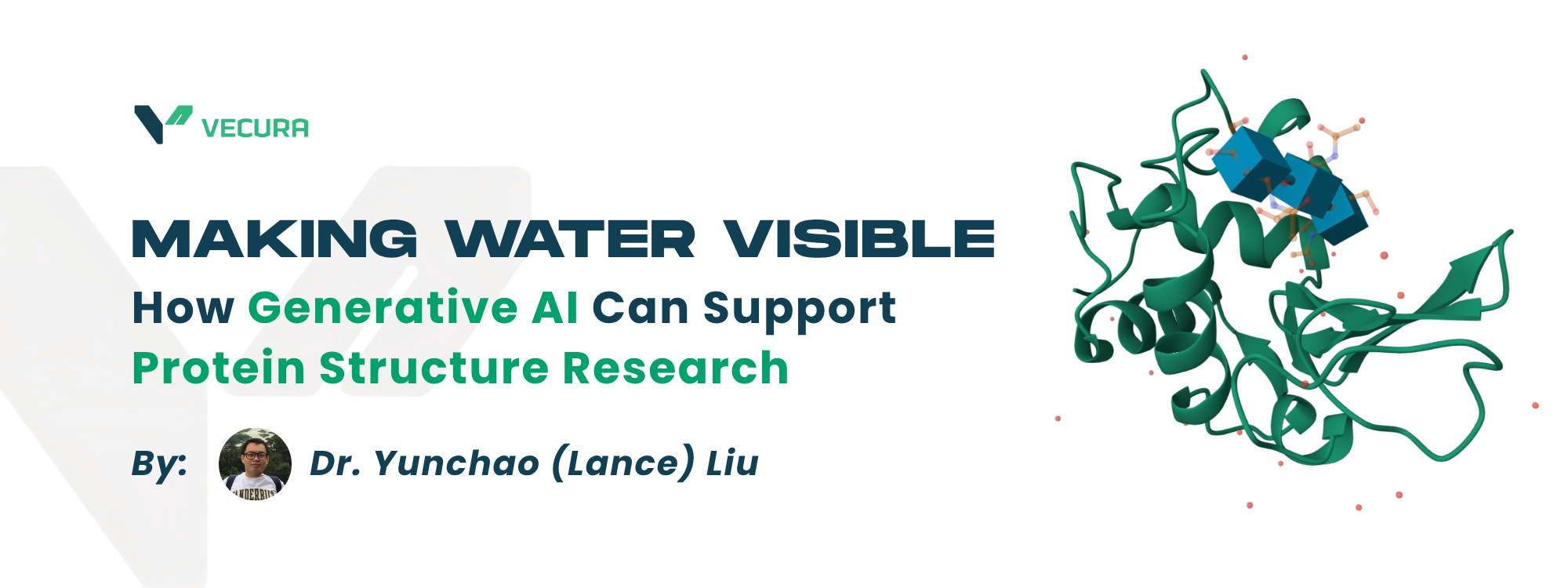
Making Water Visible: How Generative AI Can Support Protein Structure Research

SuperWater, a generative AI framework developed to predict water molecule positions around biomolecular complexes, offers a new approach to this longstanding computational challenge.

Dr. Yunchao (Lance) Liu·Jul 14, 2026

洞察

Harnessing Vecura’s AI Platform to Design FGFR4-Targeting Peptides for Hepatocellular Carcinoma Therapy

Hepatocellular carcinoma (HCC) is the predominant primary liver cancer and a major cause of cancer-related mortality worldwide. Despite advances in current therapies, advanced HCC remains difficult to treat, highlighting the need for new therapeutic targets.

TPTran Phuong Hoa·Sep 10, 2026

洞察

Vecura Biotech Insiders #08: A binder with a near-perfect interface score, on entirely the wrong face

For Biotech Insiders #08, Goh brought us a campaign that did not work, and a reasonable person reading the metrics at stage three would have called it finished. That is exactly why we asked to publish it

Sep 10, 2026

洞察

From Screening Workflow to Shelf: What an ODM/OEM Partner Actually Gets from Vecura

A beauty-from-within case study — collagen-led nutricosmetics

Aug 7, 2026

洞察

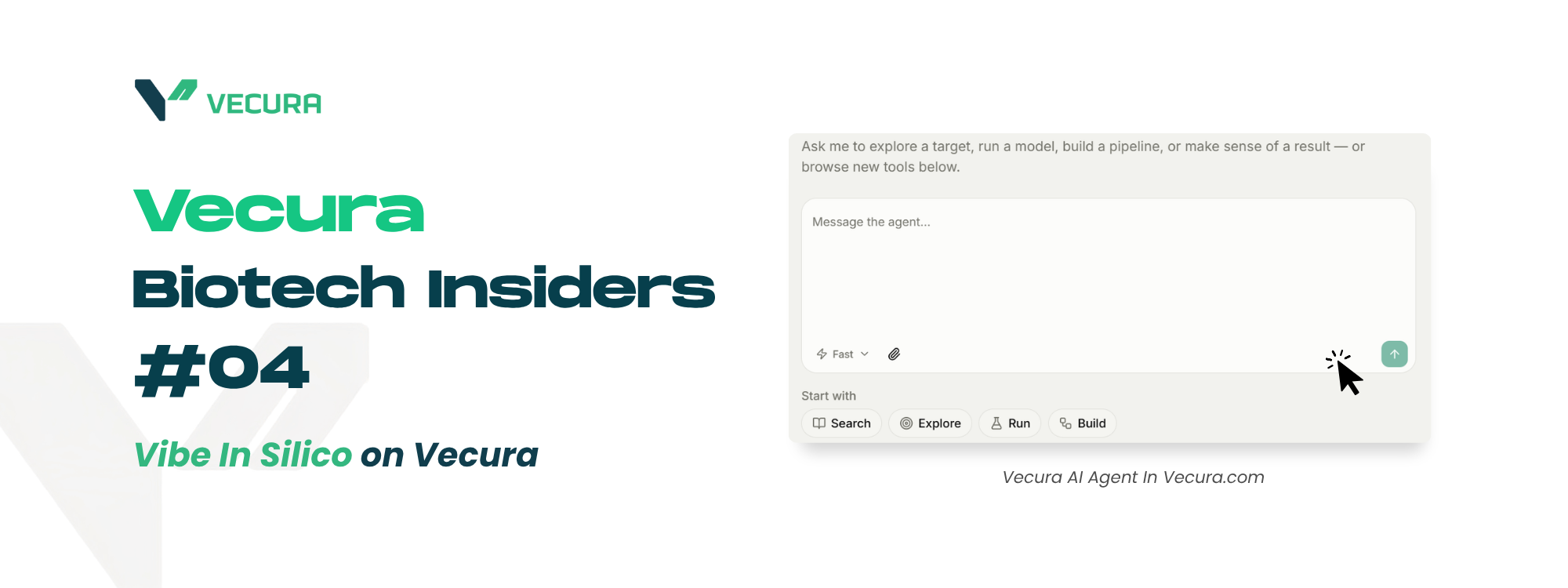
Vecura Biotech Insiders #04: Vibe in Silico on Vecura

In this Vecura Biotech Insiders feature, we explore a perspective on where agentic AI actually sits alongside physics-based simulation and learned prediction — and what's left to call "vibe in silico" once you subtract what the agent actually computed.

Aug 6, 2026

洞察

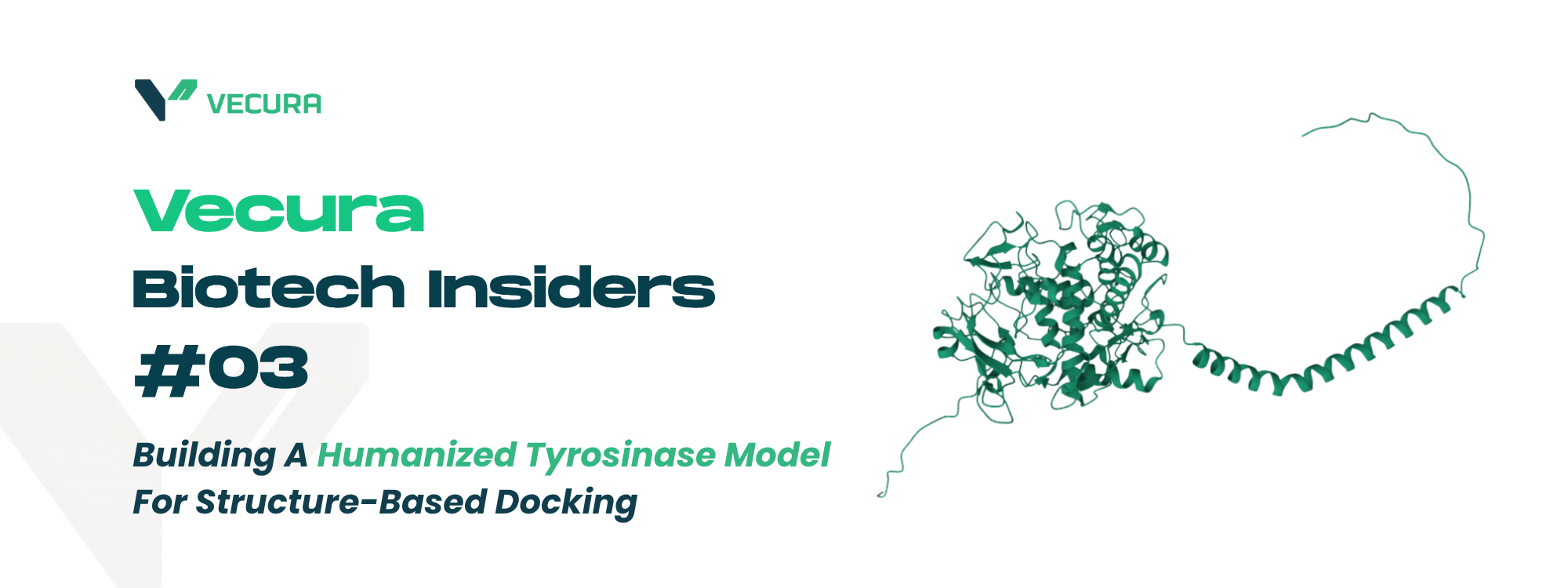
Vecura Biotech Insiders #03: Building a Humanized Tyrosinase Model for Structure-Based Docking

In this Vecura Biotech Insiders feature, we explore a user-shared workflow for building a copper-tagged human tyrosinase model from AlphaFold, benchmarking it against mushroom tyrosinase, and preparing it for structure-based docking.

Jul 30, 2026

洞察

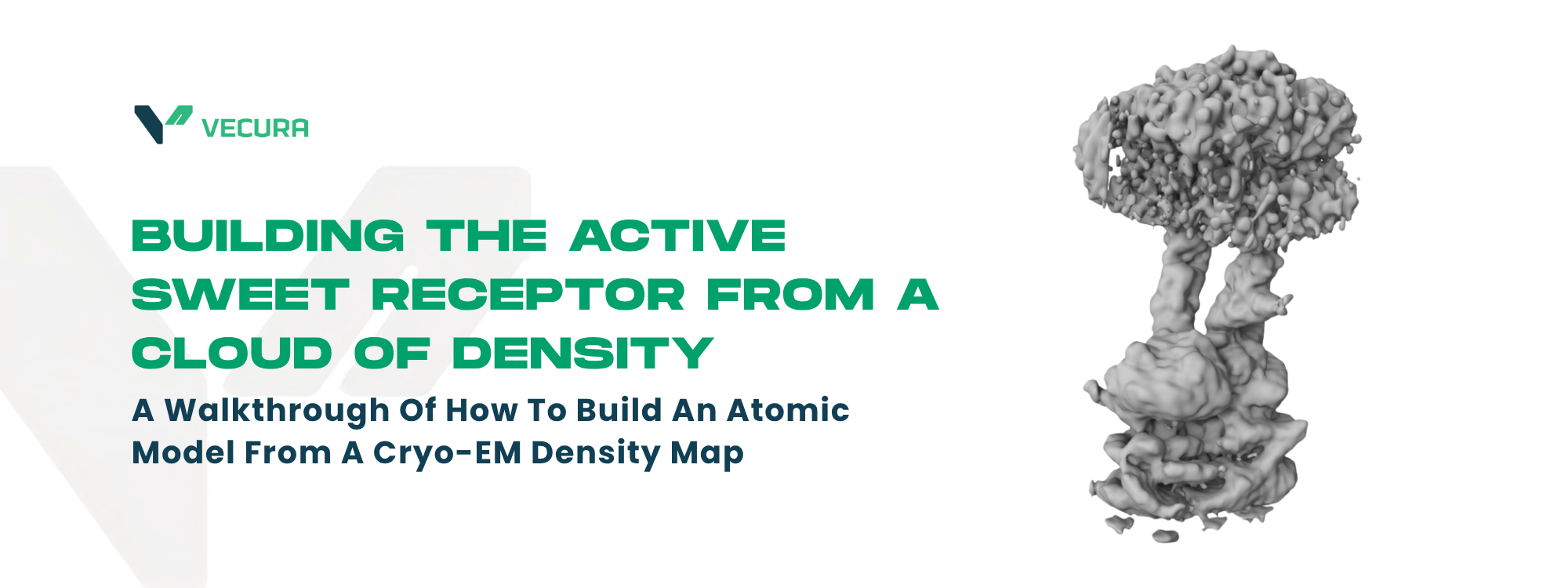
Building the Active Sweet Receptor from a Cloud of Density

A walkthrough of how to build an atomic model from a cryo-EM density map

Jul 24, 2026