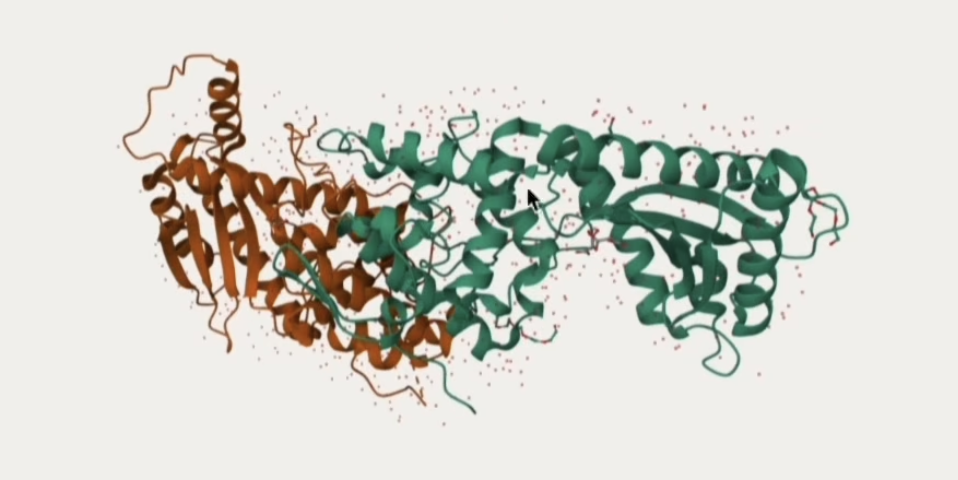
QupKake is now available on Vecura
This update enables chemists and researchers to predict the micro-pKa values of organic molecules through a guided workflow inside Vecura, without setting up complex technical infrastructure.
What is QupKake?
QupKake, or Quantum pKa graph-neural-network Estimator, is a sophisticated model that predicts micro-pKa values for every protonation and deprotonation site of an organic molecule. It innovatively combines GFN2-xTB semi-empirical quantum chemistry with graph neural networks to offer state-of-the-art accuracy in predicting these crucial properties, which are fundamental in early-stage drug discovery. It helps users predict the ionization states of molecules at different pH levels, which is essential for understanding their behavior in biological systems. This tool is particularly useful for researchers who need to assess the solubility, membrane permeability, and overall ADMET (absorption, distribution, metabolism, excretion, and toxicity) profile of potential drug candidates.
What can users do with QupKake on Vecura?
With QupKake available on Vecura, users can:
-
Predict the micro-pKa values for specific sites on organic molecules using only a SMILES string input.
-
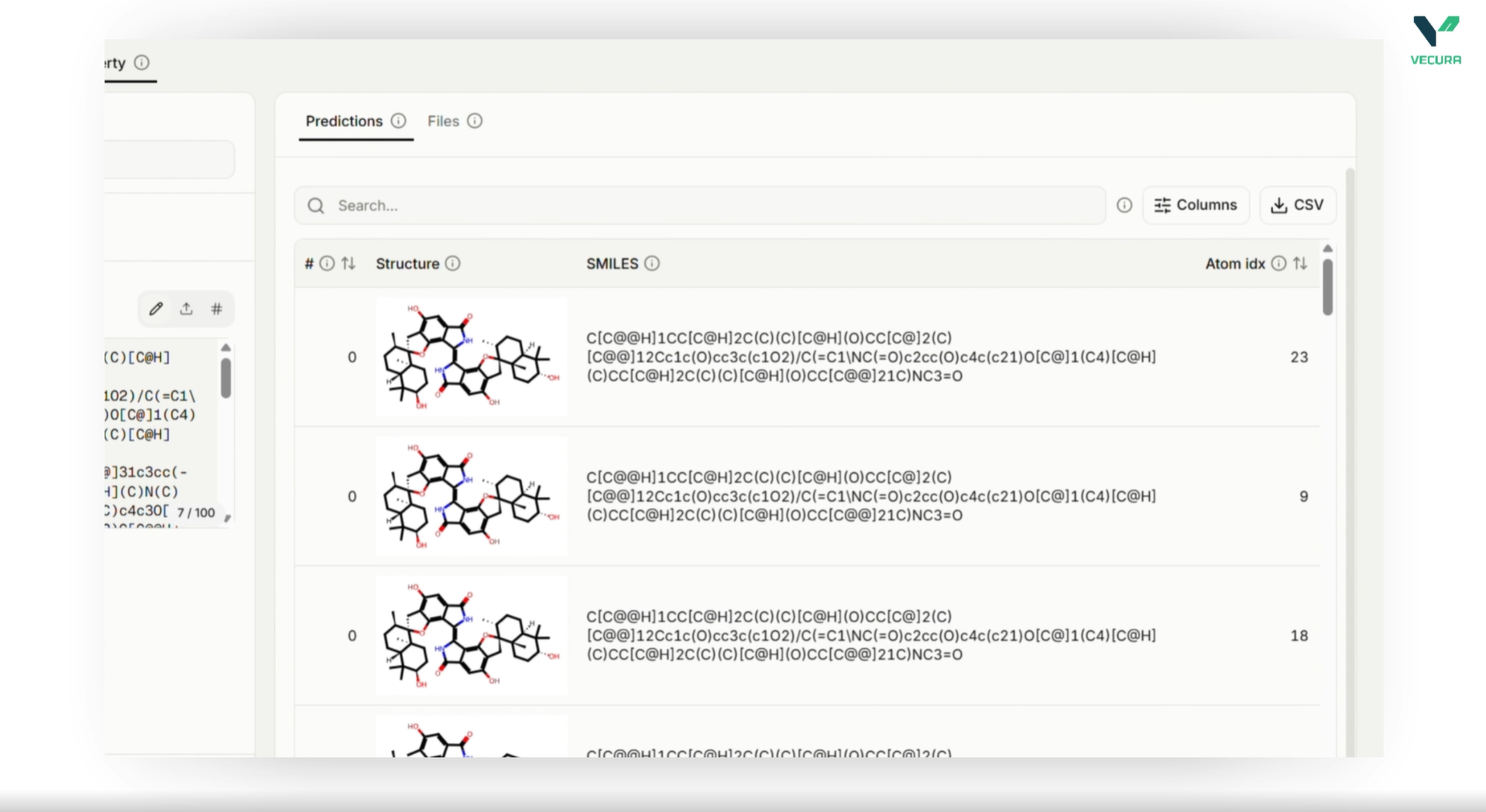
Generate an output SDF file containing the predicted pKa values, along with other relevant molecular information, suitable for further analysis or visualization in molecular editors.
-
Standardize tautomeric forms of the input molecule before running the prediction, ensuring more accurate results.
-
Parallelize the feature generation step over multiple sites, reducing the computational time for molecules with many reactive sites.
What the output means
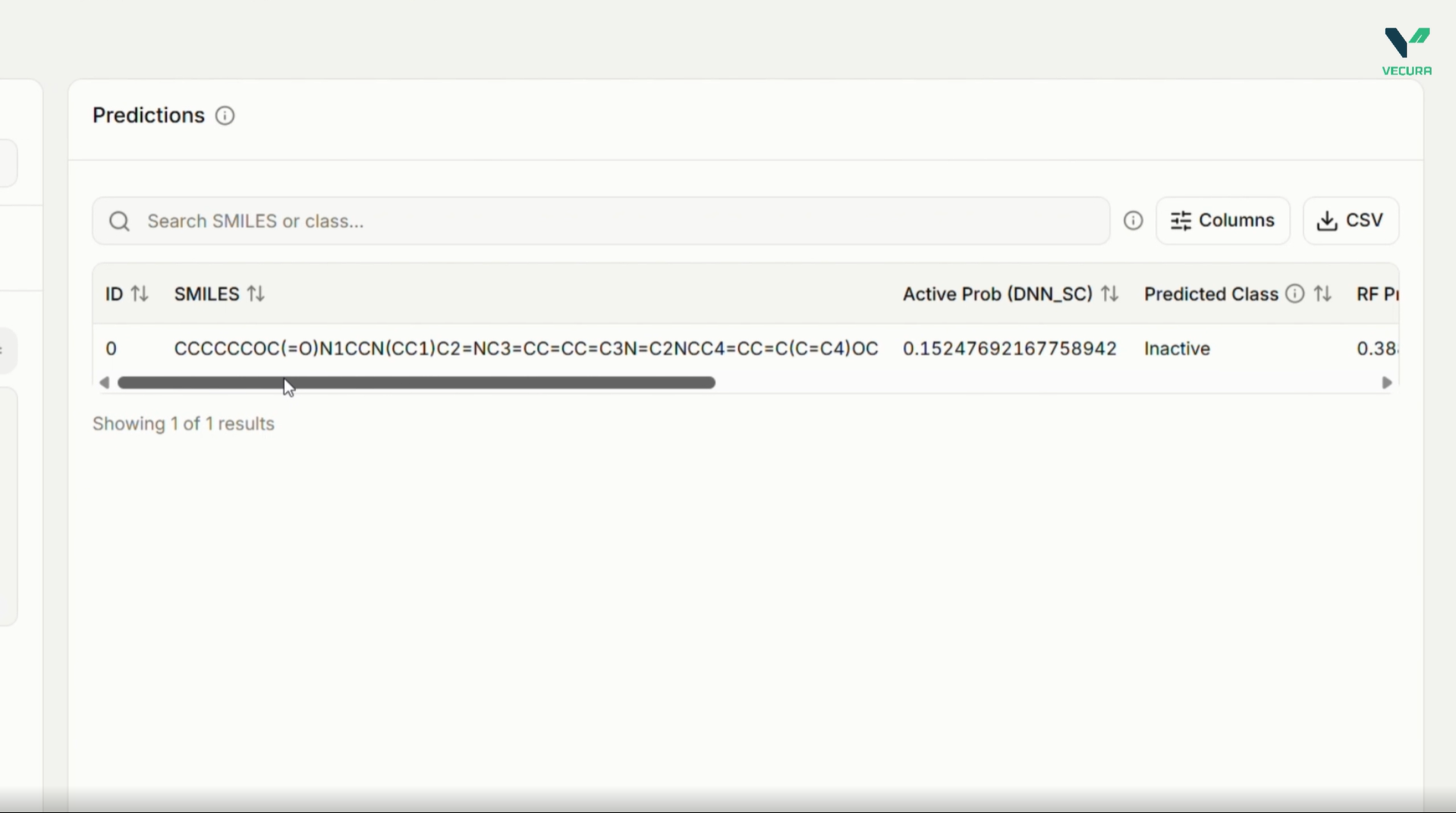
The output from QupKake provides a list of predictions for each detected protonation or deprotonation site, including the predicted micro-pKa value. Additionally, it generates a complete SDF file with explicit hydrogens, annotated with details such as atom index, type of reactivity (acidic or basic), and the predicted pKa value for each site. This data supports scientific decision-making by offering insights into the ionization behavior of the molecule under investigation. However, it's important to note that this output does not replace the need for experimental validation.
Why this matters
Accurate prediction of micro-pKa values is critical in the pharmaceutical industry, as it directly influences the pharmacological properties of a compound. By providing a reliable method for estimating these values, QupKake enables scientists to make better-informed decisions about the potential of a molecule to be a successful drug candidate. This, in turn, can streamline the drug development process, potentially reducing both the time and cost associated with bringing new drugs to market. Furthermore, the availability of QupKake through Vecura democratizes access to this advanced technology, making it more accessible to a broader range of researchers and institutions.
-
Developed by: Hutchison Lab
-
Reference: Official GitHub Repository
Try QupKake on Vecura.
Open the model workspace and start evaluating it with your own inputs.